



The Art of Messy Bed : Why wrinkled linen is the ultimate luxury statement
Table of Contents
- 1. The Psychology of the Unmade Bed: Wabi-Sabi in the Bedroom
- 2. The Anatomy of Linen: Why This Fabric Reigns Supreme
- 3. The Fine Line: "Styled Messy" vs. "Sloppy"
- 4. Step-by-Step Guide: Mastering the Art of the Messy Bed
- 5. Curating Your Palette: Colors That Elevate the Linen Aesthetic
- 6. Investing in Quality: What to Look for When Buying Linen
- 7. The Anti-Iron Care Guide: Maintaining Your Linen
- 8. The Sustainable Choice: Linen's Eco-Friendly Profile
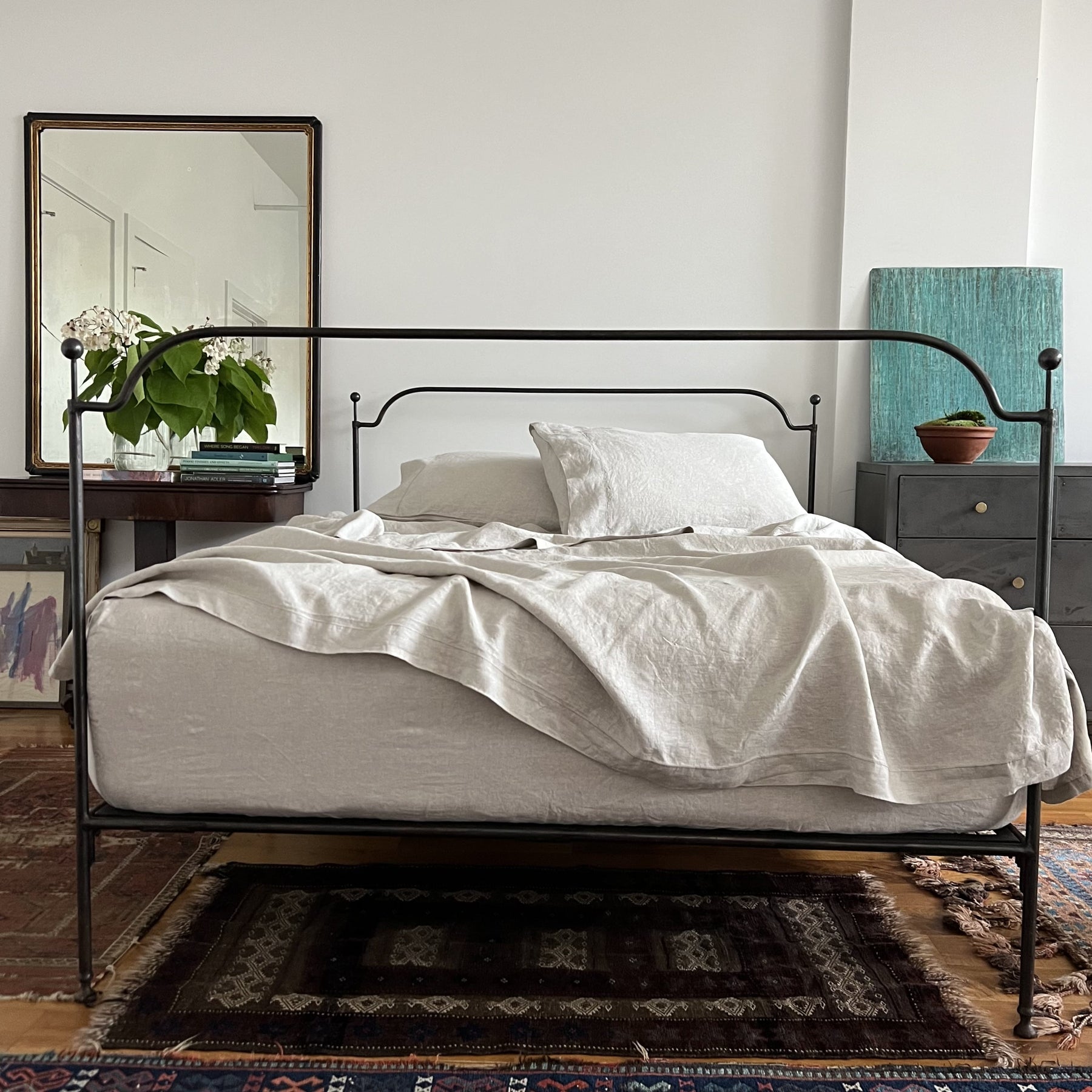
There was a time, not too long ago, when the pinnacle of bedroom luxury was defined by the strict standards of a five-star hotel. Beds were made with military precision: sheets were pulled taut, corners were folded into sharp hospital angles, pillows were stacked like rigid bricks, and the entire surface was smoothed out until it resembled a trampoline. It looked pristine, immaculate, and entirely uninviting.
Today, the paradigm of luxury has shifted drastically. Enter the era of "quiet luxury" and the rise of the beautifully undone, perfe
ctly "messy" bed. If you open any high-end architectural magazine or scroll through the feeds of elite interior designers, you will notice a recurring theme. The beds look as though someone has just emerged from a glorious, deep slumber. The duvet is rumpled, the pillows are slightly askew, and the fabric of choice almost exclusively is beautifully, unapologetically wrinkled linen.
But make no mistake: this look is not born of laziness. The "messy bed" aesthetic is a highly intentional design choice. It is a visual whisper of effortless elegance, signaling that you value authentic comfort over rigid aesthetics. Wrinkled linen has become the ultimate luxury statement, and understanding why requires a dive into the psychology of design, the fascinating science of textiles, and the subtle art of styling.
The Psychology of the Unmade Bed: Wabi-Sabi in the Bedroom
To understand why a rumpled bed feels so luxurious, we must look to the Japanese philosophical concept of Wabi-Sabi. Wabi-Sabi is the aesthetic appreciation of the imperfect, the impermanent, and the incomplete. It celebrates authenticity and the natural progression of time, rejecting the artificiality of flawless, mass-produced symmetry.
In the context of the modern home, the bedroom is our ultimate sanctuary. We spend our days navigating structured schedules, rigid deadlines, and environments that demand perfection. When we retreat to our bedrooms, we are seeking an antidote to that rigidity. A stiff, perfectly made bed can subconsciously read as another formal space we are not allowed to disrupt—like sitting in a museum rather than a home.
Conversely, a linen bed with organic folds, creases, and shadows issues a psychological invitation. It looks deeply lived-in and inherently human. Visually, the soft, undulating waves of wrinkled linen break up the hard, geometric lines of bedroom furniture. This visual softness translates to psychological softness, helping to lower cortisol levels and signaling to the brain that it is time to unwind, relax, and drop the performative perfection of the day.
1a. The "Wabi-Sabi" Concept
In our structured lives, a perfectly made bed can feel like a museum space where we aren't allowed to disrupt anything[cite: 18, 20]. Conversely, organic folds and creases issue a psychological invitation to unwind, helping to lower cortisol levels by dropping the performative perfection of the day[cite: 21, 23].
The Anatomy of Linen: Why This Fabric Reigns Supreme

You cannot achieve the luxurious messy bed aesthetic with a crisp cotton percale or a shiny silk blend. The look is entirely dependent on the unique physical properties of linen.
Linen is woven from the fibers of the Linum usitatissimum, commonly known as the flax plant. It is one of the oldest textiles in the world, with a history stretching back thousands of years to ancient Mesopotamia and Egypt, where it was revered as a symbol of purity and wealth.
The secret to linen's luxurious, wrinkly drape lies in its microscopic structure. Flax fibers contain high amounts of a natural plant glue called pectin. Because of this cellular makeup, linen fibers have very low elasticity. When the fabric is bent or folded, the fibers do not easily spring back into their original shape. This is what causes the signature wrinkling. While this was once viewed as a flaw by proponents of wash-and-wear synthetic fabrics, design experts now recognize this distinct textural memory as linen’s greatest asset.
Beyond its aesthetic appeal, linen is a functional powerhouse, which is a core requirement for true luxury. It is highly hygroscopic, meaning it can absorb up to 20% of its weight in moisture before it even feels damp to the touch. It is also exceptionally breathable and boasts natural thermoregulating properties. Linen allows air to circulate freely, keeping you incredibly cool during stifling summer nights, while its inherent weight and drape retain body heat to keep you cozy in the winter. Furthermore, the natural fibers are hypoallergenic and possess subtle antibacterial properties, making it the healthiest choice for a sleep environment.
The Fine Line: "Styled Messy" vs. "Sloppy"
There is a massive difference between a bed that looks elegantly undone and a bed that just looks like a college dorm room. The art of the messy bed relies on a concept known as "structured chaos." The foundation must be solid for the top layers to look beautifully chaotic.

The key differentiator is the quality of the fabric itself. Cheap, thin cotton that is wrinkled looks like it was forgotten in the dryer; it looks neglected. High-quality linen, however, has weight. It has substance. When heavy linen wrinkles, it does not look like crumpled paper. Instead, it drapes and pools like liquid, creating deep, beautiful shadows and highlights across the surface of the bed.
The Fine Line: Styled Messy vs. Sloppy
| Feature | "Styled Messy" (The Goal) | "Sloppy" (The Reality) |
|---|---|---|
| The Concept | Structured Chaos: A solid foundation with curated, intentional layers. | Neglect: A lack of effort or foundational structure. |
| Fabric Quality | High-Quality Linen: Heavy, substantial, and has real substance. | Thin Cotton: Cheap and flimsy; looks like it was forgotten in the dryer. |
| Wrinkle Texture | Liquid Draping: Pools and drapes to create deep, beautiful shadows. | Crumpled Paper: Sharp, messy creases that look neglected. |
| Volume | Lofty & Plump: Requires thick duvet inserts and rich, inviting fabrics. | Thin & Lifeless: Flat layers that fail to create a luxurious silhouette. |
The styled messy bed is about volume and proportion. It requires lofty duvet inserts, plump pillows, and fabrics that look rich and inviting. If your bedding is thin and lifeless, no amount of strategic tossing will make it look luxurious.
Step-by-Step Guide: Mastering the Art of the Messy Bed
Achieving effortless elegance actually takes a bit of effort. Here is the interior design formula for styling the perfect messy linen bed.
Step 1: The Foundation

Your fitted sheet needs to be the one element that is relatively tight and secure. This provides a clean canvas for the texture to come. Ensure the corners are pulled snugly over your mattress.

Step 2: The Top Sheet
Lay down your linen flat sheet. Do not pull it tightly across the bed. Leave it slightly loose. Fold the top edge down over the duvet about a quarter of the way down the bed, but do not smooth the fold into a sharp crease. Let the fold be a bit wavy and organic.
Step 3: The Duvet (The Fluff and Flop)

This is the most crucial step. You need a high-quality, over-filled duvet insert (down or a down-alternative) placed inside your linen duvet cover. Grab the bottom corners of the duvet, give it a vigorous shake to distribute the air, and let it fall onto the bed. Do not pull the edges straight. Allow the duvet to settle naturally, creating peaks and valleys in the fabric. Fold the top third of the duvet down toward the foot of the bed, creating a thick, plush layer that invites you to crawl inside.
Step 4: The Pillow Landscape

Ditch the rigid, upright pillow stacking. Lay your sleeping pillows flat against the mattress. If you use Euro shams (large square pillows), place them behind the sleeping pillows, but lean them slightly. Add one or two linen accent pillows in the front. Give each pillow a gentle "karate chop" in the center, and then softly push the corners in. You want them to look plump but slightly crushed, as if a head has just lifted off them.
Curating Your Palette: Colors That Elevate the Linen Aesthetic

Because linen has such a profound texture, it interacts with light beautifully, creating a chiaroscuro effect of shadows and highlights. The color palette you choose will dramatically impact the mood of the room. To maintain the luxurious, interior design aesthetic, lean into nature-inspired hues.
-
Earthy Neutrals: You cannot go wrong with un-dyed flax, oatmeal, and warm stone colors. These shades amplify the organic nature of the fabric and make the bed look like a natural extension of a serene environment.
-
Muted Botanicals: For a touch of color, look to nature. Soft sage greens, muted olive, and dusty, faded rose tones work exceptionally well in linen because the fabric softens the colors, preventing them from looking harsh or artificial.
-
High-Contrast Sophistication: If you prefer a moodier or more striking aesthetic, deeply saturated colors like charcoal, rich terracotta, or midnight blue look incredible in linen. Pair these with crisp white linen sheets for a stunning, high-contrast look that feels incredibly modern and opulent.
Investing in Quality, What to look for when buying Linen
Not all linen is created equal. To achieve the true luxury statement, you must invest in the right materials.
The best flax in the world is grown in the coastal band stretching from Northern France through Belgium and into the Netherlands. The damp ocean climate and rich soil in this region produce the longest, strongest flax fibers.
Second, pay attention to the weight, often measured in GSM (Grams per Square Meter). For bedding, a GSM between 160 and 190 is considered the sweet spot. It is heavy enough to provide that gorgeous, heavy drape and exceptional durability, but light enough to remain breathable and soft.
Finally, look for "garment-washed" or "stone-washed" linen. Raw linen can feel quite stiff and scratchy and can take dozens of washes to soften. Garment-washed linen has been pre-washed using specific techniques to break down the pectin in the fibers, meaning it arrives at your door with that butter-soft, perfectly rumpled texture right out of the package.
The Anti-Iron Care Guide: Maintaining Your Linen
The beauty of the messy bed aesthetic is that it actively rejects high-maintenance care routines. However, linen does require specific care to preserve its fibers and enhance its natural texture.
The Golden Rule: Never, under any circumstances, allow an iron near your linen bedding. Ironing crushes the natural fibers, destroys the organic texture, and completely ruins the relaxed aesthetic you are trying to achieve.
Wash your linen bedding in cold or lukewarm water on a gentle cycle. Hot water can degrade the flax fibers over time. Use a mild, liquid detergent. Powdered detergents can sometimes get trapped in the loose weave of the fabric, and bleach should be strictly avoided as it weakens the fibers and strips the natural color.
When it comes to drying, line drying in the shade is the traditional and gentlest method. If you must use a dryer, use a low-heat tumble setting. Toss in a few wool dryer balls; these will gently beat the fabric as it dries, increasing the softness and enhancing the beautiful, natural wrinkles. The absolute best trick for linen is to remove it from the dryer while it is still slightly damp. Put it directly onto the bed. As it finishes air-drying on the mattress, it will settle into the most magnificent, organic folds.
The Sustainable Choice: Linen's Eco-Friendly Profile
True luxury in the modern age must be mindful of its environmental footprint, and this is where linen truly outshines other textiles.
Flax is a remarkably resilient plant that requires incredibly little water to grow—relying almost entirely on natural rainfall. In contrast, cotton is notoriously water-intensive. Furthermore, flax cultivation requires very few pesticides or fertilizers.
Perhaps the most beautiful aspect of linen production is its zero-waste philosophy. Every part of the flax plant is utilized. The long fibers are used for luxury textiles, the shorter fibers are used for paper or coarse fabrics, the seeds are harvested for consumption (flaxseed), and the oils are extracted for wood preservation (linseed oil).
Finally, pure linen is completely biodegradable. When a linen sheet finally reaches the end of its life—which can be decades, as high-quality linen is famous for being passed down as heirloom pieces—it will naturally decompose without leaving harmful microplastics in the environment.
Conclusion:
The art of the messy bed is a rebellion against the stiff, sterile aesthetics of the past. It is an acknowledgment that our homes are meant to be lived in, not just looked at. By choosing high-quality wrinkled linen, you are making a profound statement about what you value: authenticity, tactile comfort, sustainability, and a relaxed, unpretentious approach to luxury.
A perfectly rumpled linen bed does not ask you to be perfect. It asks you to be comfortable. It invites you to pull back the heavy, softly creased duvet, sink into the breathable, earthy texture of the sheets, and leave the sharp edges of the world outside the bedroom door. That, without a doubt, is the ultimate luxury.

